
peripheral neuropathy pain at night at fort mill, sc
Peripheral Neuropathy Pain at Night: Why It Can Feel Worse and What May Help
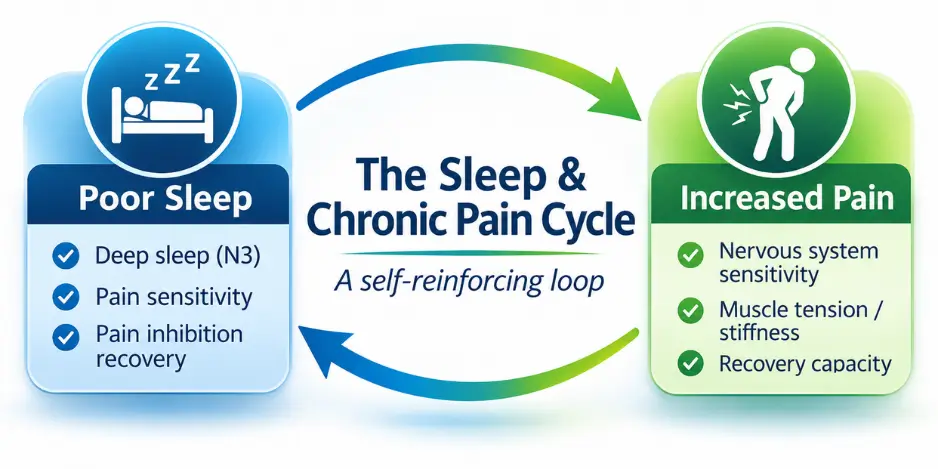
Peripheral neuropathy pain at night can feel more intense for several reasons. There are fewer daytime distractions, inactivity may change how pain signals are perceived, cool temperatures or light pressure from bedding may irritate sensitive nerves, and pain can disrupt sleep in a self-reinforcing cycle.
Researchers are also studying how the body's circadian rhythms influence pain sensitivity, but there is no single proven explanation that applies to everyone. [1] [2] [3]
For individuals researching peripheral neuropathy pain at night in Fort Mill, SC, provides a local resource for learning about chiropractic care, musculoskeletal health, and available care options.
Understanding the potential causes of nerve pain and knowing when medical evaluation is necessary remain important parts of making informed healthcare decisions.
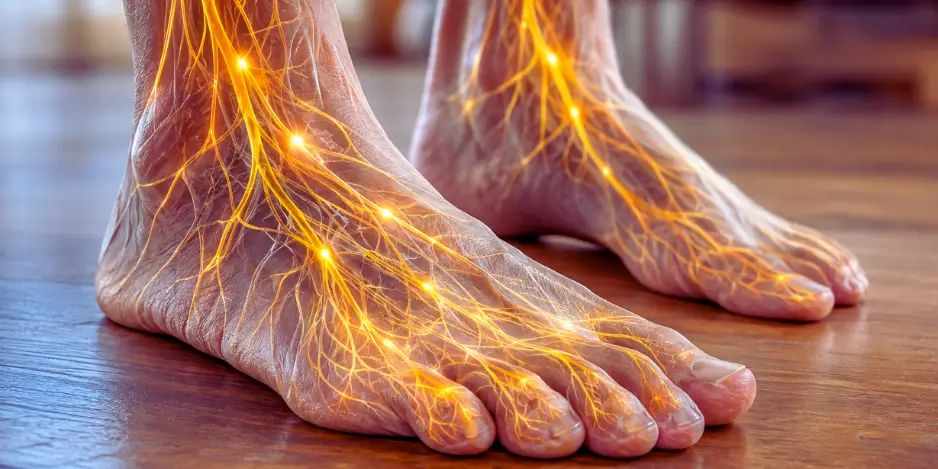
Why nerve pain can become more noticeable after dark
Peripheral neuropathy can cause burning, tingling, stabbing, electric-shock sensations, numbness, or extreme sensitivity to touch.
Damaged nerves may fire without a clear trigger, and the spinal cord and brain may process those signals abnormally. This can make a harmless touch painful, a response called allodynia. For some people, even the weight of a bedsheet is uncomfortable. [1]
At Gonstead Chiropractic Center, helping patients understand musculoskeletal health and the importance of appropriate evaluation is part of providing informed chiropractic care in Fort Mill, SC.
Persistent burning, tingling, or numbness should be medically evaluated to determine whether an underlying nerve condition requires specific care.
During the day, movement, conversation, work, and other sensory input compete for attention. At bedtime, the room becomes quieter and the body becomes still.
That does not mean the pain is imaginary. It means the nervous system has fewer competing signals, so existing pain may move to the foreground.
One clinical explanation, called gate control theory, proposes that movement and other pleasant sensations can reduce how strongly pain signals reach conscious awareness. Less movement at night may remove some of that effect. [2]
Individuals in Fort Mill, SC can speak with the team at Gonstead Chiropractic Center about available chiropractic services and whether musculoskeletal care may complement their overall healthcare plan.
Recommendations should always account for individual needs, medical history, and any existing neuropathy-related limitations.
Sleep and pain can reinforce each other
Pain can make it difficult to fall asleep or stay asleep. Poor sleep can then increase fatigue, stress, and sensitivity to pain the next day. A recent review describes neuropathic pain and sleep disruption as a two-way relationship. Circadian rhythms may also influence pain-processing pathways, hormones, immune activity, and natural pain-inhibiting systems. However, much of this research is still developing, and the exact mechanisms are not fully understood. [3]
This uncertainty matters. A nighttime flare should not automatically be blamed on circulation, sleep position, or a particular hormone. The pattern is useful information for a clinician, but it does not reveal the cause of neuropathy by itself.
Temperature, bedding, and position may contribute
Some people report that cold air worsens nerve pain. Others are sensitive to pressure from socks, blankets, or a mattress.
If numbness and pain occur together, a person may also change position without realizing that an area of skin is under prolonged pressure. [1] [2]
Comfort measures should be gentle and safe. Keep the room at a comfortable temperature and direct fans away from painful feet. Soft, loose socks may help if they do not restrict circulation.
A bed cradle can hold covers away from highly sensitive feet. Avoid heating pads, hot-water bottles, or very hot baths on numb areas because reduced temperature sensation increases burn risk. Check the skin daily for redness, blisters, cuts, or pressure marks.
Practical ways to manage peripheral neuropathy pain at night
Start with a consistent sleep and symptom routine. Keep regular sleep and wake times, reduce stimulating screen use before bed, and use a quiet wind-down activity such as slow breathing or gentle relaxation.
A brief diary can record pain timing, activity, food and alcohol intake, blood glucose readings when relevant, medications, and sleep quality. This can help a clinician identify patterns without relying on guesswork.
Regular activity may support strength, blood sugar management, mood, and sleep, but it should match your ability and fall risk. A clinician or physical therapist can help select walking, pool exercise, balance work, or another safe option. [4]
If medication is part of your plan, ask the prescriber whether timing could be adjusted for nighttime symptoms.
Do not take an extra dose, combine sedating products, or stop a prescription on your own. Neuropathic pain medicines can cause dizziness or drowsiness, and combining them with alcohol, sleep aids, opioids, or other sedatives may increase risk. [3] [4]
Seek emergency care for sudden weakness or numbness, especially on one side, new trouble speaking or seeing, severe difficulty walking, rapidly worsening weakness, trouble breathing or swallowing, new loss of bowel or bladder control, or numbness around the groin or buttocks. These are not typical symptoms to manage at home.
Practical takeaway
Nighttime pain is common, but its exact explanation varies. A safe approach to peripheral neuropathy pain at night combines evaluation of the underlying cause with skin protection, an appropriate sleep routine, carefully selected activity, and medication decisions made with the prescriber.
The goal is better rest and safer function, not a claim that one bedtime trick repairs damaged nerves.
For readers looking for information about peripheral neuropathy and chiropractic care in Fort Mill, SC, understanding the available care options and knowing when to seek medical evaluation are important parts of making informed decisions about their health.
Gonstead Chiropractic Center serves individuals seeking chiropractic care in Fort Mill, SC.
Under the guidance of Dr. Rich Benjamin, DC., patients can learn about available chiropractic services and approaches to supporting spinal health, mobility, and musculoskeletal function.
Medical Disclaimer
This article is general education for a chiropractic website. It is not medical advice, a diagnosis, or a substitute for evaluation by a physician or other qualified clinician. Chiropractic care should not delay medical or emergency evaluation. Do not start, stop, or change medicines or supplements without consulting the appropriate clinician.

Neighborhoods We Proudly Serve near Fort Mill, SC
Nearby Neighborhoods Gonstead Chiropractic Center of Fort Mill, SC Serves for over 18 Years!






Healthy Things To Do in Fort Mill, SC
Stay Active, Stay Healthy!






Office Hours
Mon 8:00-12:30, 2:30-7pm Tues 8:00-12:30, 2:30-7pm Wed 8:00-12:30, 2:30-7pm Thurs 8:00-12:30, 2:30-7pm
Fri - Sun Closed

⭐️ ⭐️ ⭐️ ⭐️ ⭐️
Gonstead Chiropractic Center The Experts in Chiropractic Care in Fort Mill, SC.
© 2026 Gonstead Chiropractic Center - All Rights Reserved