
Osteoporosis & Osteopenia In Fort Mill, SC
Osteopenia and Osteoporosis: Understanding Bone Health and Supporting Better Movement
Bone health plays a major role in mobility, independence, posture, and overall quality of life. Yet changes in bone density can develop gradually, often without noticeable symptoms in the early stages.
Osteopenia and osteoporosis are two conditions associated with reduced bone strength, and understanding the distinction between them can help people take appropriate steps to protect their long term health.

Bone density naturally changes throughout life. Factors such as age, nutrition, physical activity, hormonal changes, genetics, and certain medications can influence how effectively the body builds and maintains bone tissue. When bone loss begins to outpace bone formation, the skeletal system may become less capable of handling everyday physical demands.
For individuals in Fort Mill, SC, maintaining strength, balance, mobility, and healthy movement patterns can be an important part of an overall approach to musculoskeletal health. At Gonstead Chiropractic Center, care can be tailored to support movement and physical function while working alongside appropriate medical management.
Understanding Osteopenia Before Bone Loss Becomes More Advanced
Osteopenia describes bone density that is lower than what is considered optimal but has not reached the diagnostic threshold for osteoporosis. It is not simply an inevitable part of getting older. Instead, it can indicate that the skeletal system has begun losing some of its structural reserve.
Bone is living tissue. Throughout life, specialized cells continuously remove older bone and replace it with new tissue. Healthy skeletal maintenance depends on maintaining an appropriate balance between these processes.
When breakdown consistently exceeds rebuilding, bone mineral density can decline.
Although osteopenia does not carry the same degree of fracture risk associated with osteoporosis, it deserves attention because lower bone density can progress over time.

Factors That Can Affect Bone Density
Several influences may contribute to declining bone strength, including:
Inadequate calcium or vitamin D intake
Insufficient physical activity
Advancing age
Hormonal changes
Family history
Tobacco use
Excessive alcohol consumption
Certain medications and medical conditions
Low body weight or nutritional deficiencies
Lifestyle habits can therefore have a meaningful influence on the mechanical environment experienced by the skeleton.
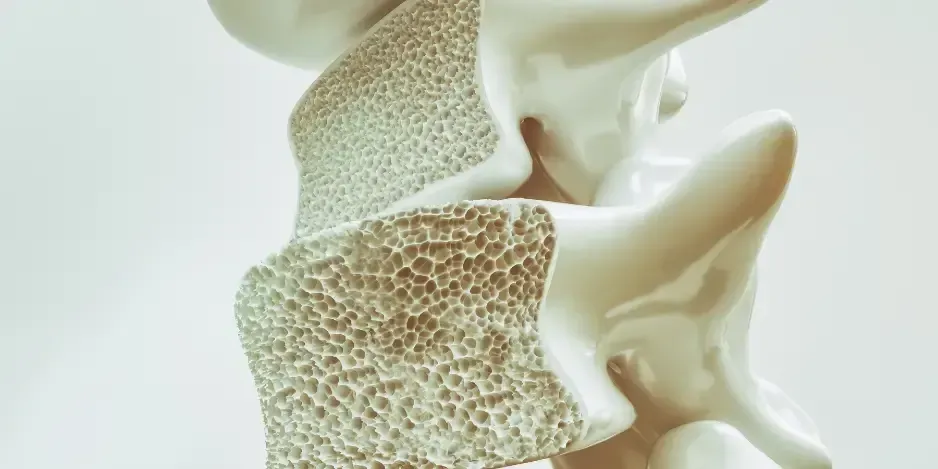
Osteoporosis Involves More Than Weak Bones
Osteoporosis is characterized by significant loss of bone mass and deterioration of bone structure. As bone becomes less dense and its internal architecture becomes weaker, it can tolerate less force before fracturing.
This distinction is important because bones are designed to withstand the repeated stresses created by standing, walking, lifting, and other daily activities. When structural strength decreases substantially, forces that would normally be harmless may contribute to a fracture.
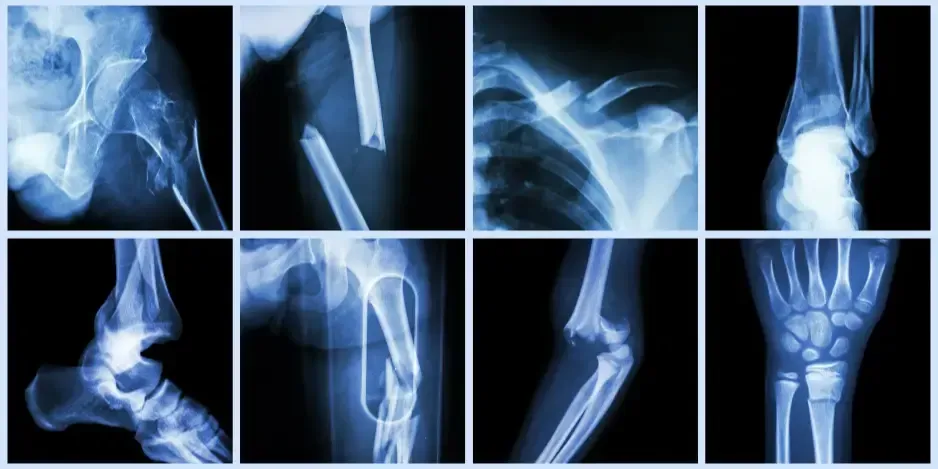
The spine, hips, wrists, and other weight bearing or mechanically stressed areas are particularly important when considering fracture risk.
Why Osteoporosis Can Remain Hidden
One of the most challenging aspects of osteoporosis is that bone loss itself may not produce obvious symptoms. A person can experience progressive changes in bone density while continuing normal activities and feeling relatively well.
A fracture may ultimately be the first indication that significant bone weakness exists. Vertebral compression fractures can also affect spinal posture and may contribute to back discomfort, reduced height, or an increasingly rounded upper back.
These changes can alter the way the body moves.
For example, changes in spinal alignment may affect how weight is distributed through the pelvis, hips, knees, and feet. Reduced mobility may then lead to less physical activity, further diminishing strength, balance, and functional capacity.
This is why protecting movement quality is an important consideration for people dealing with declining bone health.
The Connection Between Bone Health and Movement
Bones do not function independently of the muscles, joints, nervous system, and connective tissues surrounding them. Efficient movement requires these systems to coordinate forces throughout the body.
Muscle activity places mechanical demands on the skeleton. Regular physical activity can therefore provide an important stimulus for maintaining musculoskeletal strength. At the same time, appropriate movement helps preserve joint mobility, coordination, balance, and functional independence.
For someone with reduced bone density, however, exercise should be selected carefully. The appropriate level and type of activity depends on the individual's bone health, fracture history, age, physical abilities, and medical recommendations.
The goal is not simply to exercise more. The goal is to move appropriately and safely.
Why Strength, Balance, and Mobility Matter
People with reduced bone density may benefit from maintaining as much functional capacity as possible. Strong muscles can contribute to stability and physical independence, while good balance can help reduce situations that may result in a fall.
Movement also affects how efficiently the body manages load.
If mobility is restricted in one region, another area may compensate. Limited ankle mobility, for example, can influence walking mechanics. Reduced hip mobility can change how the pelvis and lower back contribute to movement. Altered spinal mechanics may affect posture and the way forces are distributed during everyday activities.
Addressing these movement factors can be valuable as part of a comprehensive approach to musculoskeletal wellness.

Nutrition Is Part of the Bigger Picture
Bone health is also influenced by nutritional status. Calcium and vitamin D are particularly important nutrients for maintaining normal skeletal function, although overall dietary quality matters as well.
Rather than relying exclusively on supplements, individuals should discuss their nutritional needs with an appropriate healthcare professional. Dietary sources of calcium may include dairy products, certain leafy vegetables, and other calcium rich foods.
Adequate protein and overall nutritional intake can also support the muscles and tissues responsible for movement and physical stability.
Nutrition should be viewed as one component of a broader strategy that may include physical activity, appropriate medical care, fall prevention, and healthy lifestyle habits.

How Chiropractic Care Can Fit Into a Bone Health Strategy
Chiropractic care does not replace medical diagnosis or treatment for osteoporosis or osteopenia. Anyone concerned about bone density should first receive appropriate evaluation from a qualified medical professional.
Once a person's condition and limitations are understood, chiropractic care may have a role in supporting aspects of musculoskeletal function such as mobility, posture, movement patterns, and physical comfort.
For individuals with reduced bone density, the approach must be individualized. High force techniques or activities that place excessive stress on vulnerable areas may not be appropriate. A careful evaluation can help determine what forms of care and movement are suitable.
At Gonstead Chiropractic Center, the emphasis can be placed on understanding how the musculoskeletal system is functioning and identifying ways to support efficient movement within the individual's needs and limitations.
Protecting Mobility as You Age
Bone density is only one part of maintaining independence. Strength, coordination, balance, joint mobility, posture, and confidence with movement all influence how effectively a person performs everyday activities.
A comprehensive strategy may involve:
Medical evaluation and bone density testing when appropriate
Nutritional support
Maintaining healthy body mechanics
Addressing mobility limitations
Supporting comfortable and efficient movement
Regular communication among healthcare professionals
Taking action early can make it easier to identify potential risk factors and develop an appropriate plan before bone loss creates more significant functional challenges.
Take the Next Step for Better Musculoskeletal Health
Osteopenia and osteoporosis require thoughtful attention because changes in bone strength can affect much more than the skeleton. They can influence posture, mobility, balance, physical confidence, and independence.
If you are concerned about your bone health or experiencing changes in mobility, begin with an appropriate medical evaluation and then consider how chiropractic care may complement your broader approach to musculoskeletal wellness.
Learn more about the services available through Gonstead Chiropractic Center at https://gonsteadchiropracticcenter.com/ or call (803) 547-9977 to discuss your concerns and determine whether an evaluation may be appropriate for you.

Neighborhoods We Proudly Serve near Fort Mill, SC
Nearby Neighborhoods Gonstead Chiropractic Center of Fort Mill, SC Serves for over 18 Years!






Healthy Things To Do in Fort Mill, SC
Stay Active, Stay Healthy!






For those in Fort Mill, support for healthier bones and better movement is just a short drive away from Rock Hill, Tega Cay, Indian Land, and Lake Wylie.
If you find reading this article helpful, you will enjoy reading "Beyond Discs: Spinal Decompression for Degenerative Joint Disease and Back Pain in Fort Mill, SC"
Office Hours
Mon 8:00-12:30, 2:30-7pm Tues 8:00-12:30, 2:30-7pm Wed 8:00-12:30, 2:30-7pm Thurs 8:00-12:30, 2:30-7pm
Fri - Sun Closed

⭐️ ⭐️ ⭐️ ⭐️ ⭐️
Gonstead Chiropractic Center The Experts in Chiropractic Care in Fort Mill, SC.
© 2026 Gonstead Chiropractic Center - All Rights Reserved