
natural treatment for peripheral neuropathy
Why natural treatment for peripheral neuropathy should focus on causes and function
A natural treatment for peripheral neuropathy can complement medical care, but it should not replace an evaluation. Because neuropathy has many causes, the most useful plan identifies and manages the cause, protects safety and function, and relieves symptoms when needed.
Medicines are not simply a failure of natural care; they may make pain manageable enough to sleep, move, and participate in rehabilitation. The goal is coordinated care rather than an either-or choice. [3]
For people in Fort Mill, SC and the surrounding communities served by Gonstead Chiropractic Center, understanding the possible causes of neuropathy is an important first step toward appropriate care.
Peripheral neuropathy involves damage or dysfunction of nerves outside the brain and spinal cord. It can cause burning, tingling, numbness, pain, weakness, balance changes, or reduced ability to sense temperature and injury. These symptoms deserve attention, but they do not by themselves identify the cause. [1]
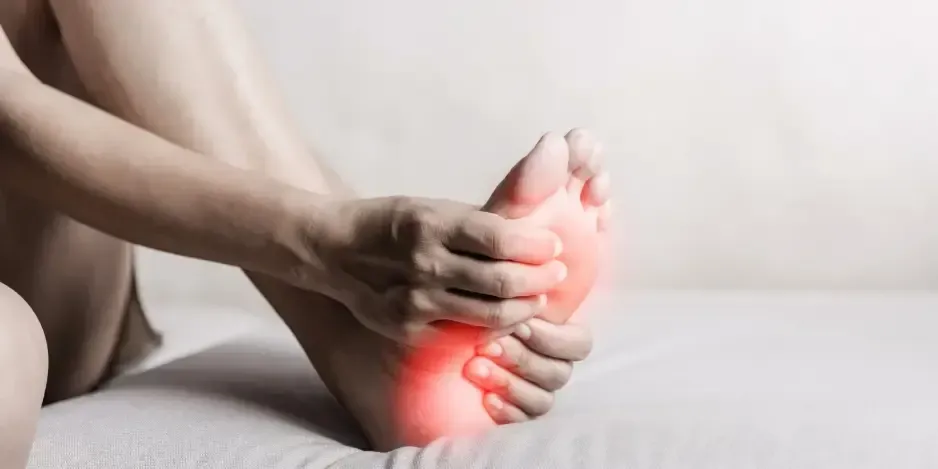
Peripheral neuropathy has more than one cause
Diabetes is a leading cause, but it is not the only one. Other possibilities include nerve compression or injury, alcohol or toxin exposure, kidney or liver disease, autoimmune disease, infections, inherited conditions, nutritional problems, and side effects of some medicines.
Vitamin B12 deficiency and excess vitamin B6 are among the vitamin-related causes described by NINDS. [1]
That range is why an individualized medical assessment matters before attributing symptoms to a spine problem or trying a product.
A clinician may review the pattern and timing of symptoms, health history, alcohol use, medicines and supplements, perform a neurologic examination, and order blood tests or, when appropriate, nerve studies or imaging. Arrange prompt evaluation for new, worsening, asymmetric, rapidly progressive, or severe numbness, pain, weakness, or balance difficulty. [1]
Symptom relief matters, but it is not the same as nerve repair
Nerve pain can disrupt sleep, work, mood, and movement. Prescription treatments such as duloxetine, pregabalin, gabapentin, certain antidepressants, or topical lidocaine may be considered according to the cause, symptoms, other health conditions, and potential side effects. They can be appropriate tools for symptom relief.
However, pain relief and nerve repair are different outcomes.
For diabetic neuropathy, NIDDK notes that medicines used for nerve pain can help pain but do not change the underlying nerve damage. [2] This does not make symptom treatment unimportant. It means a complete plan also looks for reversible contributors, reduces further injury, and supports daily function.
Never stop or change prescribed medication on your own; ask the prescribing clinician how benefits, side effects, and other options apply to you.
Why natural treatment for peripheral neuropathy begins with the cause
A cause-focused approach uses practical, non-drug measures alongside, not instead of, medical treatment. If diabetes is involved, a diabetes care plan that addresses blood glucose, blood pressure, cholesterol, weight, physical activity, nutrition, and smoking cessation can help limit further nerve damage.
[2] These steps should be tailored with the diabetes care team, especially for anyone taking glucose-lowering medicine. People researching natural treatment for peripheral neuropathy in Fort Mill, SC should also understand that identifying and managing the underlying cause is more important than relying on a product or single treatment.
Regular, appropriately chosen exercise may support strength, mobility, balance, and blood glucose management.
Physical therapy can help when weakness or balance problems affect walking, and braces, assistive devices, or properly fitted footwear may reduce falls and protect function.
[3] For persistent nerve pain, strategies such as mindfulness or talk therapy may help some people cope; NINDS also notes that acupuncture, massage, and tai chi may help some people manage chronic pain. These options are for symptom management and function, not proven nerve cures.
[1] Be cautious with high-dose vitamins, herb blends, and products marketed as detoxes or cures. Supplements can interact with medicines, and excess vitamin B6 can itself contribute to neuropathy.
Discuss any product with a physician or pharmacist and use testing to guide treatment of a suspected deficiency. [1]

Protect numb feet and preserve everyday function
Loss of protective sensation can allow a blister, cut, heat injury, or poorly fitting shoe to become a serious problem before it is felt. This makes foot care an essential part of care for people with diabetic neuropathy or reduced foot sensation. Check feet daily, including between the toes; wear well-fitting shoes and socks; and have recommended foot examinations. [2] [4]
Call a clinician promptly for a cut, blister, bruise, redness, warmth, swelling, or sore that is not healing.
For people with diabetes, a red, warm, painful foot may signal infection, while a black or foul-smelling infection needs urgent attention.
[5] Staying active is valuable, but choose activities with a clinician or therapist if there is numbness, an open sore, poor balance, or a foot injury.
When symptoms need prompt or emergency care
Do not wait for a routine natural-care visit when symptoms change quickly. Seek emergency help now for sudden numbness or weakness of the face, arm, or leg, especially on one side, or sudden trouble speaking, seeing, walking, or balancing; these can be stroke warning signs. [6] Emergency assessment is also needed for new loss of bladder or bowel control, numbness around the genitals or buttocks, or severe/worsening leg weakness, particularly with back or leg pain, because these can signal serious spinal nerve compression. [7]
A serious injury, deep cut or burn to a numb foot, a suspected fracture, rapidly spreading redness, or rapidly worsening weakness also warrants urgent medical assessment. These signs may not be peripheral neuropathy, and timely evaluation is safer than self-treating.
Practical takeaway: Focus on the question, “What is driving these symptoms, and how can I protect function while it is evaluated?” The most useful natural treatment for peripheral neuropathy is a coordinated plan: diagnose and address the cause where possible, use lifestyle and rehabilitation measures that fit the person, protect numb areas, and use medication when its benefits outweigh its risks.
For people seeking chiropractic care in South Carolina, Gonstead Chiropractic Center provides care focused on spinal health, movement, and musculoskeletal function. Serving Fort Mill, SC, the clinic can help patients understand its services and whether a chiropractic consultation may be appropriate for their musculoskeletal concerns. Suspected peripheral neuropathy still requires appropriate medical evaluation, and chiropractic care should not delay or replace that evaluation.
Medical disclaimer: This chiropractic website article is for education only. It is not medical advice, a diagnosis, or a substitute for evaluation and treatment by a physician or other qualified clinician.
Chiropractic care should not delay or replace medical evaluation of suspected neuropathy. Do not start, stop, or change prescription medication, supplements, or diabetes treatment without consulting the appropriate prescriber.
Original References
1. Peripheral Neuropathy | National Institute of Neurological Disorders and Stroke
2. Diabetic Neuropathies | National Institute of Diabetes and Digestive and Kidney Diseases
3. Peripheral Neuropathy: Diagnosis and Treatment | Mayo Clinic
4. 12. Retinopathy, Neuropathy, and Foot Care: Standards of Care in Diabetes—2025 | American Diabetes Association
5. Diabetes and Foot Problems | National Institute of Diabetes and Digestive and Kidney Diseases
6. Signs and Symptoms of Stroke | Centers for Disease Control and Prevention
7. Cauda Equina Syndrome | Buckinghamshire Healthcare NHS Trust
Take the Next Step Toward Better Nerve Health and Function
Peripheral neuropathy deserves careful attention because changes in nerve function can affect much more than sensation. Burning, tingling, numbness, muscle weakness, and balance difficulties can interfere with mobility, everyday activities, and independence.
If you are experiencing symptoms of peripheral neuropathy, begin with an appropriate medical evaluation to identify possible causes and determine the right course of care.
Chiropractic care may complement a broader approach to musculoskeletal wellness when appropriate, but it should not replace medical assessment or treatment for nerve damage.
Learn more about the services available through Gonstead Chiropractic Center at https://gonsteadchiropracticcenter.com/ or call +1 803-547-9977 to discuss your concerns and determine whether an evaluation may be appropriate for your needs.

Office Hours
Mon 8:00-12:30, 2:30-7pm Tues 8:00-12:30, 2:30-7pm Wed 8:00-12:30, 2:30-7pm Thurs 8:00-12:30, 2:30-7pm
Fri - Sun Closed

⭐️ ⭐️ ⭐️ ⭐️ ⭐️
Gonstead Chiropractic Center The Experts in Chiropractic Care in Fort Mill, SC.
© 2026 Gonstead Chiropractic Center - All Rights Reserved